





Summary: Discover how perimenopause affects your skin, from dryness and sensitivity to breakouts and loss of firmness and learn the science behind these hormonal changes. This guide shares expert skincare advice, barrier-supporting ingredients and simple rituals to help your skin feel healthy, resilient and radiant through every stage of perimenopause.
What Happens to Your Skin During Perimenopause?
Have you looked in the mirror lately and thought, "My skin just doesn't feel like mine anymore?"
Perhaps it's suddenly drier. More sensitive. Maybe you're noticing unexpected breakouts, flushing or fine lines that seem to have appeared overnight. If this sounds familiar, you're not imagining it.
For many women, these changes begin during perimenopause, often years before menopause itself. It's a time when hormones fluctuate and those shifts can have a noticeable impact on your skin.
The good news? Understanding why your skin is changing is the first step towards caring for it with confidence.
At TEMPLESPA, we believe in Science with Soul- combining proven skincare science with uplifting rituals that help you feel your best inside and out.
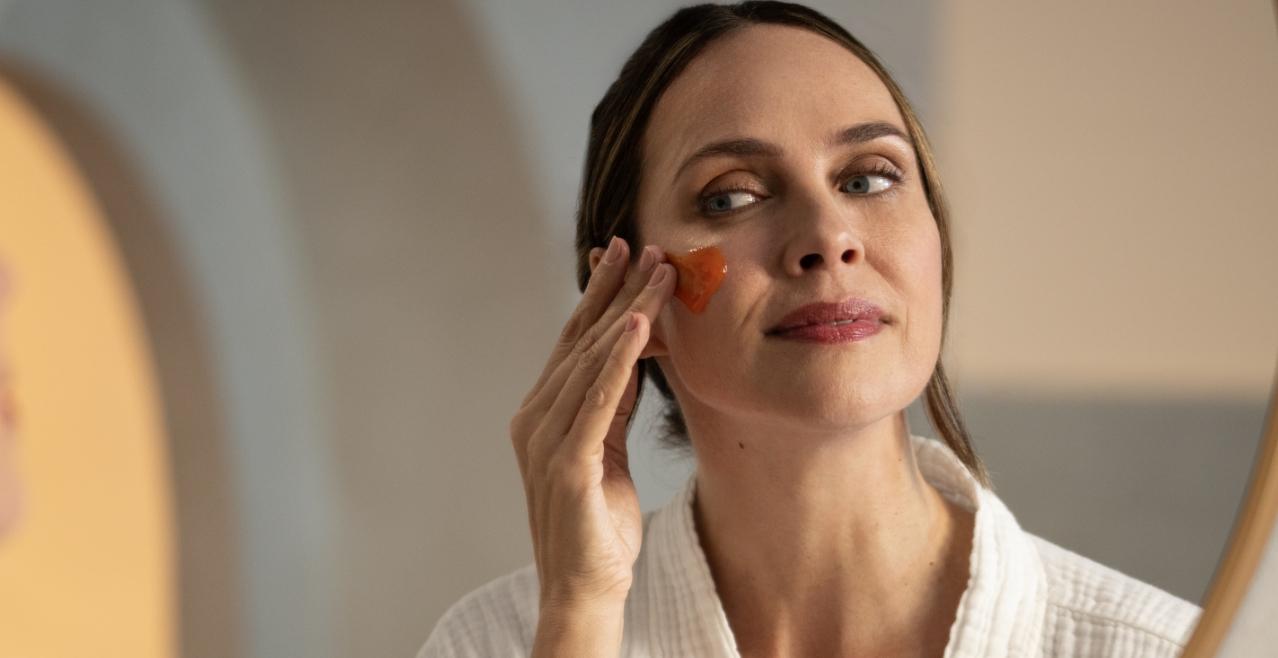
What is perimenopause?
Perimenopause is the natural transition leading up to menopause. For some women it begins in their late 30s, but it more commonly starts during the 40s and can last several years before periods stop altogether.
During this time, levels of oestrogen and progesterone fluctuate, affecting far more than your menstrual cycle. Your skin is one of the first places these hormonal changes often show up.
7 ways perimenopause can change your skin
1. Your skin feels drier than ever
One of the earliest and most common signs of perimenopause is persistent dryness. As oestrogen declines, skin produces less natural oil and retains less moisture.
You may notice:
-
Tightness after cleansing
-
Flaky patches
-
Rough texture
-
Makeup sitting differently
-
Dullness
Ingredients to look for
-
Hyaluronic Acid
-
Avocado oil
-
Ceramides
-
Squalane
-
Vitamin E
Suffering from dry and delicate skin? Explore our Hydrate & Soothe range for a gentle, calming and hydrating full skincare routine.
Not sure where to start with your skincare? REPOSE Relaxing Night Cream is perfect for nourishing and de-stressing skin before bedtime and DOUBLE CREAM Hydrating Moisturiser is your go-to for a burst of lasting hydration for thirsty skin.
Discover our blog Time to Talk Barrier Repair for extra reading on how you can support your skin barrier and get your skin back to feeling its best.
2. Your skin becomes more sensitive
Have products you've used for years suddenly started stinging? Hormonal changes can weaken the skin barrier, making skin more reactive.
Common signs include:
-
Redness
-
Irritation
-
Itching
-
Burning sensations
-
Increased sensitivity
This isn't necessarily because your favourite products have changed- your skin has. Gentle skincare becomes even more important.
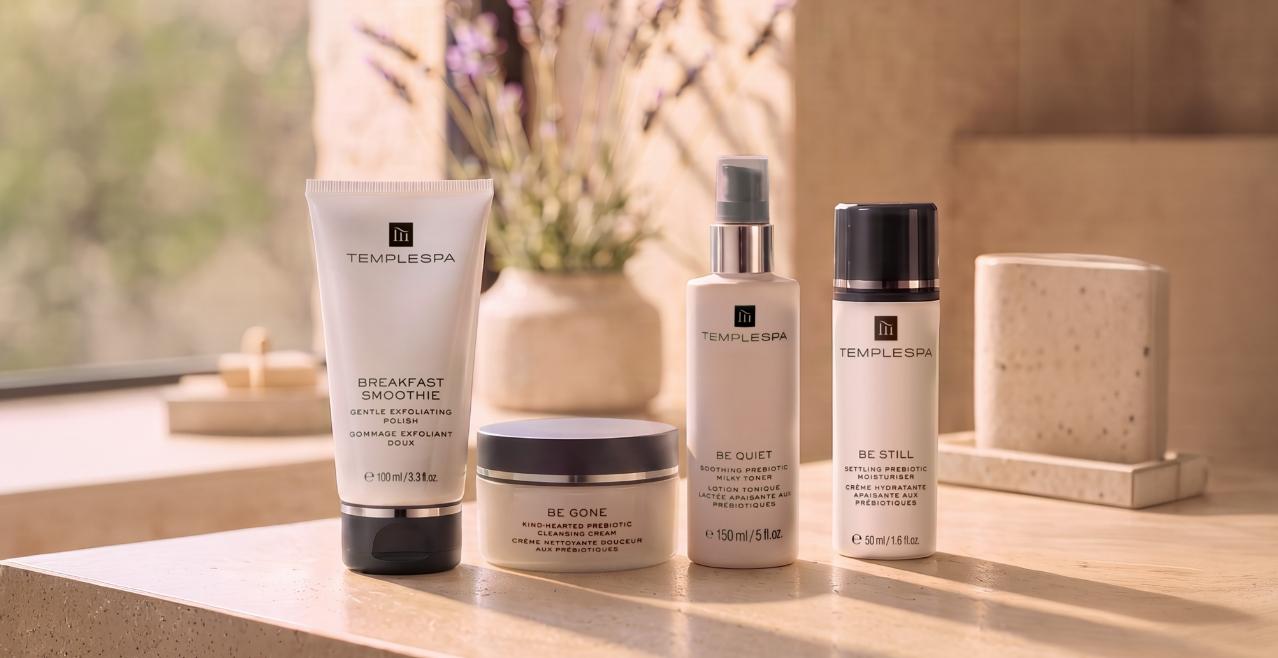
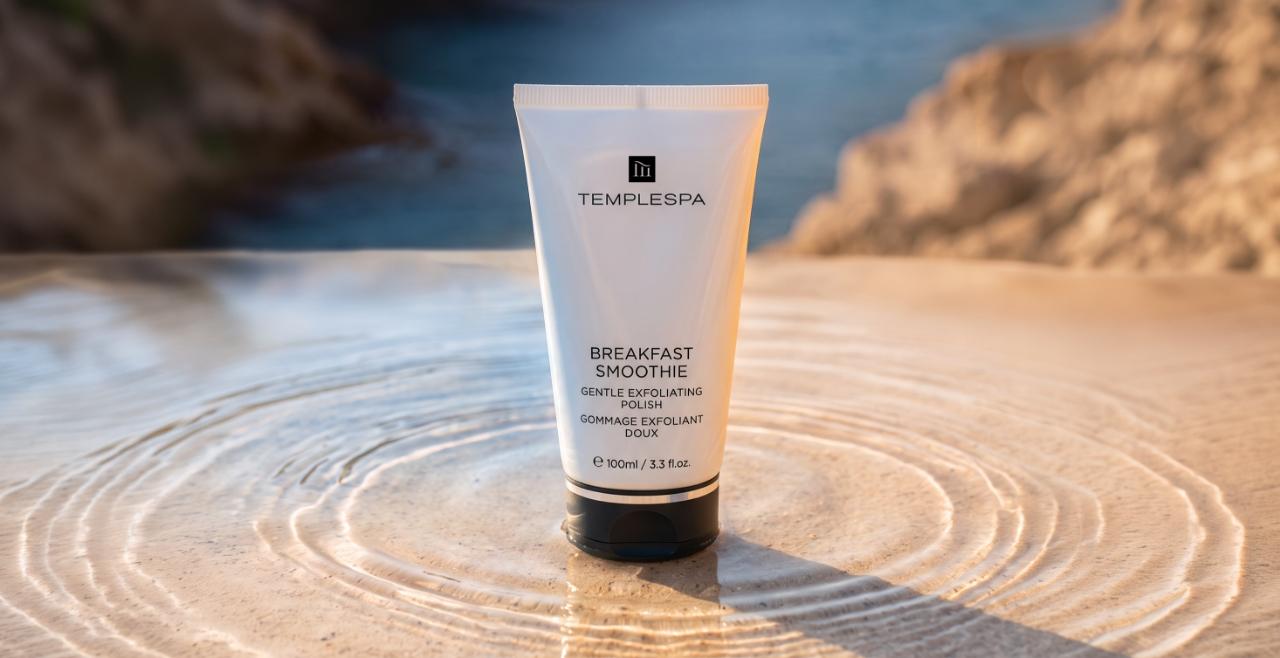
Look for products that support the skin barrier while avoiding unnecessary over-exfoliation, BREAKFAST SMOOTHIE Gentle Exfoliator is your go-to for healthy-looking, radiant skin.
3. Fine lines seem to appear more quickly
Collagen naturally declines with age. During the first years after menopause this decline accelerates, but collagen production can begin slowing during perimenopause too.
The result?
-
Skin feels thinner
-
Less bounce
-
Softer facial contours
-
More noticeable expression lines
Rather than chasing every wrinkle, think about supporting skin health for the long term. This is where the growing trend of skin longevity comes in.
Instead of focusing on anti-ageing, skin longevity is about helping skin stay resilient, healthy and strong for years to come.
Read more about skin longevity here in our blog ‘Skin Longevity: Why Preventive Skincare Is The Secret To Healthy, Radiant Skin’
4. Breakouts return- yes, really
Many women are surprised to experience acne in their 40s. Hormonal fluctuations can increase androgen activity, stimulating excess oil production while cell turnover slows.
This combination can lead to:
-
Hormonal spots
-
Congestion
-
Jawline breakouts
-
Slower healing
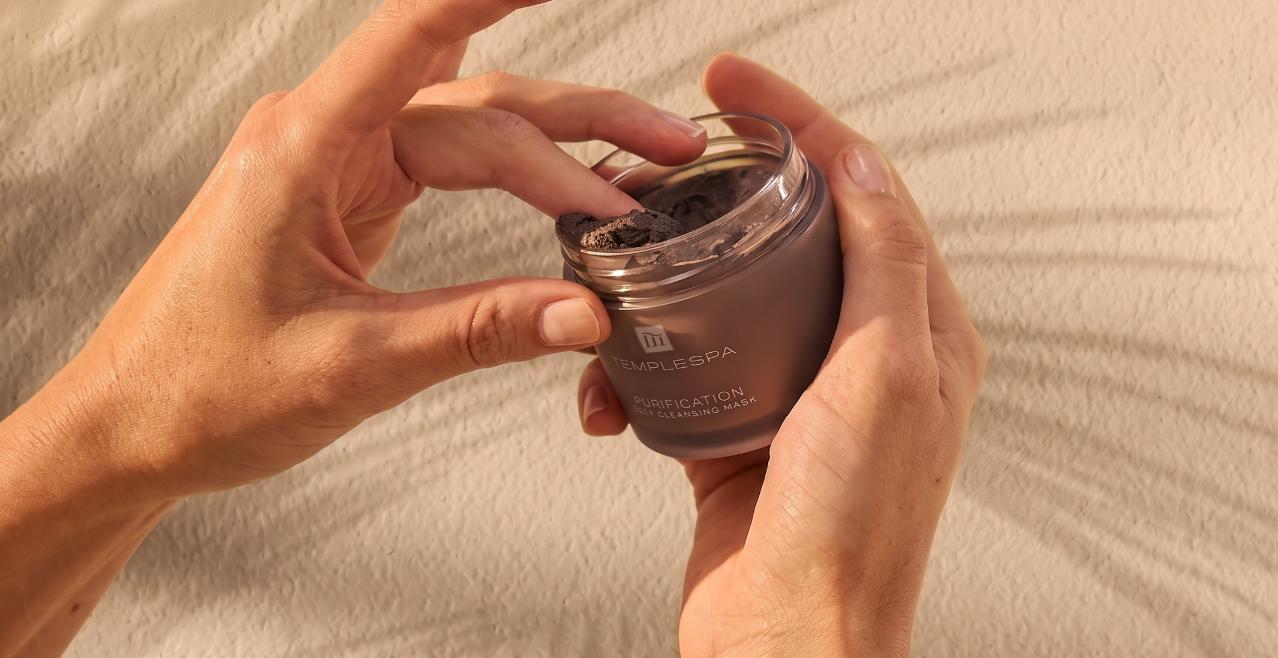
The answer isn't to strip your skin. Instead, choose balancing ingredients while maintaining hydration. Our Purify & Balance range is designed to leave skin purified, decongested and always in the clear.
5. Pigmentation becomes more noticeable
Hormonal fluctuations, combined with years of UV exposure, can make pigmentation appear darker or more persistent. Daily SPF remains one of the most effective ways to help protect your skin.
Read our blog to discover Why You Need A SPF Moisturiser in your routine, or simply shop our full SPF range here, so you can protect your skin from head-to-toe.
6. Your skin doesn't bounce back like it used to
You might notice:
-
Slower healing
-
Longer-lasting redness
-
Lingering post-blemish marks
That's because skin renewal naturally slows during midlife. Supporting recovery becomes just as important as correcting concerns.
7. Your glow feels harder to find
When hydration declines and cell renewal slows, skin can lose some of its natural radiance. Fortunately, glow isn't lost forever.
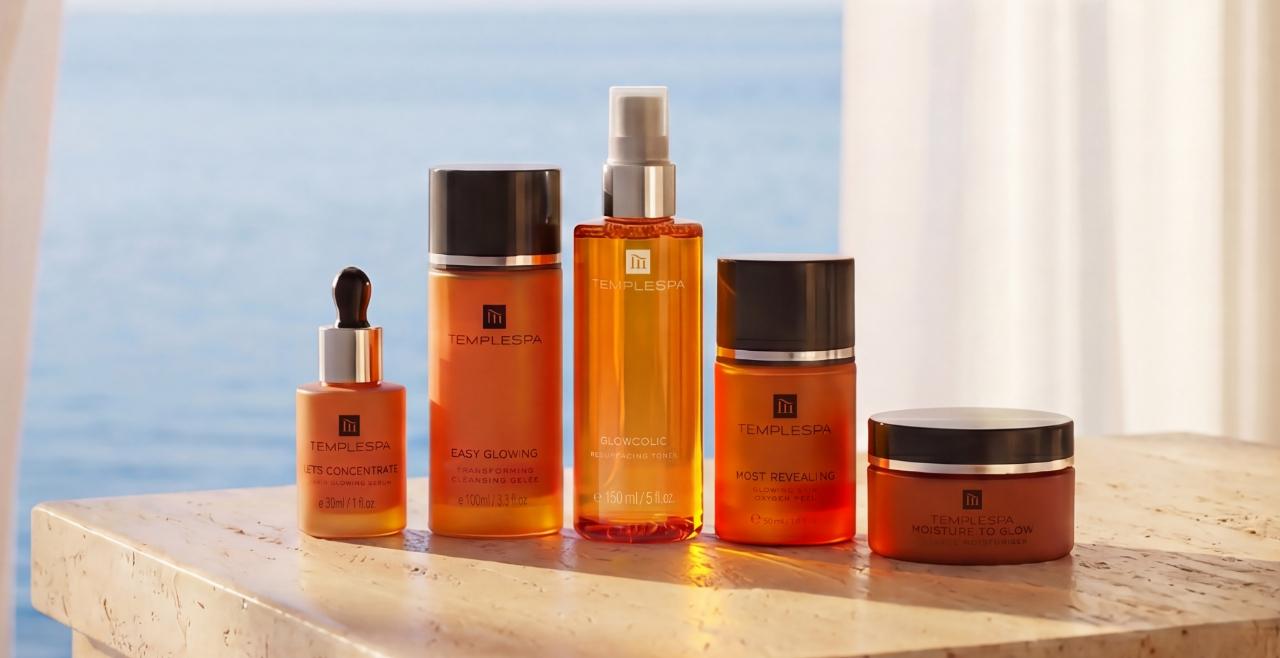
Gentle exfoliation, nourishing hydration and regular facial massage can help reveal brighter-looking skin while turning skincare into a moment of self-care. Our Glow & Radiance range is designed to turn up the glow for bright and healthy-looking, radiant skin.
Why does perimenopause affect your skin?
Your skin contains receptors for hormones such as oestrogen.
Oestrogen helps support:
-
Collagen production
-
Elastin
-
Natural moisturising factors
-
Skin thickness
-
Wound healing
-
Barrier function
As hormone levels fluctuate, these processes become less efficient. The result isn't "bad skin." It's simply skin with different needs.
The good news? Your skincare can evolve with you. Perimenopause isn't about starting from scratch. Small changes can make a meaningful difference.
Focus on:
✔ Hydrating cleansers > you need IN THE BEGINNING Deep Cleansing Melt
✔ Barrier-supporting moisturisers > you need DOUBLE CREAM Hydrating Moisturiser
✔ Daily SPF > you need LIFE DEFENCE SPF50 High Protection SPF Moisturiser
✔ Peptides > you need BE FIRM Skin Lifting Serum
✔ Antioxidants > you need LET’S CONCENTRATE Skin Glowing Serum
✔ Consistent routines
✔ Less irritation, more nourishment

Science with Soul: looking after more than your skin
At TEMPLESPA, we know skincare is never just about skin. It's about confidence, comfort and taking five mindful minutes for yourself. During perimenopause, those rituals matter more than ever.
Whether that's a calming evening cleanse, a deeply nourishing moisturiser or simply pausing to massage your face while you breathe deeply, skincare can become a daily act of self-care, not another item on your to-do list.
Frequently Asked Questions
At what age does perimenopause affect your skin?
Many women begin noticing skin changes in their early to mid-40s, although some experience them in their late 30s.
Does perimenopause cause dry skin?
Yes. Falling oestrogen levels can reduce natural oil production and weaken the skin barrier, making dryness one of the most common symptoms.
Can perimenopause cause acne?
Yes. Hormonal fluctuations can trigger adult acne, particularly around the chin and jawline.
What's the best skincare for perimenopausal skin?
Look for products that focus on hydration, barrier support, peptides, antioxidants and daily sun protection rather than harsh or overly complicated routines.